
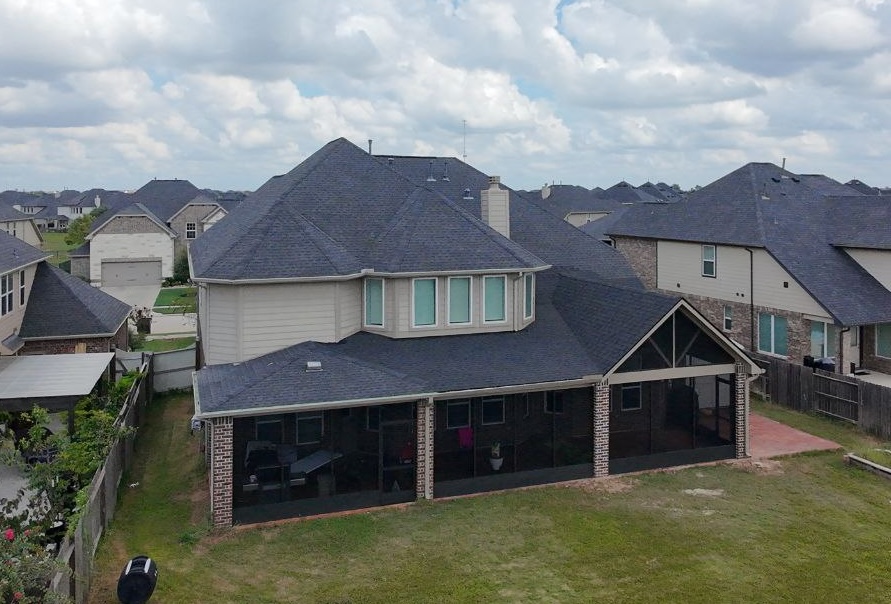
A whole-home remodel is one of the most rewarding and complex projects a Texas homeowner can take on. Whether you’re updating an older property in Houston or remodeling an entire home requires careful planning, realistic budgeting, and a clear understanding of Texas-specific factors. Before the first wall comes down, here’s what Texas homeowners should know to avoid costly mistakes and keep their renovation on track.
Understand Houston Permits and Local Building Codes
One of the first steps in a whole-home remodel is navigating permits and building codes. Texas does not have a single statewide residential building code; instead, cities and counties adopt and enforce their own regulations. Most whole-home remodels require permits for structural changes, electrical work, plumbing, HVAC updates, and sometimes roofing or window replacements. Failing to obtain the proper permits can lead to fines, delays, or problems when selling your home later. Work with a licensed contractor who is familiar with your local municipality and can manage the permitting process on your behalf.
Budget Realistically for Texas Remodeling Costs
A whole-home remodel is a significant investment, and costs in Texas can vary widely depending on location, labor availability, and material choices. Urban areas and high-demand markets often come with higher labor costs, while rural areas may face longer timelines due to limited contractor availability.
Texas homeowners should also plan for a contingency budget of at least 10–20%. Older homes, especially those built before the 1980s, may hide issues such as outdated wiring, plumbing problems, or foundation concerns. These surprises are common in full remodels and can quickly push a project over budget if not planned for in advance.
Account for Texas Climate and Weather Conditions
Texas weather plays a major role in remodeling decisions. Extreme heat, high humidity, heavy rain, and the occasional winter freeze all affect materials, construction methods, and timelines.
When planning a whole-home remodel, consider energy-efficient upgrades that suit the Texas climate. High-performance windows, improved insulation, radiant barriers, and modern HVAC systems can significantly reduce energy bills. In coastal or flood-prone areas, moisture-resistant materials and proper drainage are essential. Roofing, siding, and exterior finishes should also be chosen with durability and heat resistance in mind.
Choose the Right Contractor for a Whole-Home Remodel
Selecting the right remodeling contractor is one of the most important decisions you’ll make. In Houston, Texas, contractors are not licensed at the state level for general remodeling, so it’s critical to do your homework. Look for professionals with strong local references, proof of insurance, and experience specifically in whole-home renovations, not just small projects.
Ask detailed questions about timelines, subcontractors, communication methods, and how changes are handled once construction begins. A clear, written contract should outline the scope of work, payment schedules, and warranty information. Trust and transparency are essential when your entire home is under construction.
Plan for Temporary Living Arrangements
A whole-home remodel often means your house won’t be livable for part or all of the project. Dust, noise, utility shutoffs, and safety concerns make it difficult to stay in the home during major renovations.
Homeowners should factor temporary housing into their overall budget. This could include renting an apartment, staying with family, or planning an extended stay elsewhere. While it adds to the cost, living off-site can actually help the project move faster and reduce stress for everyone involved.
Prioritize Structural and System Upgrades First
Before focusing on finishes like flooring, cabinets, or paint, a whole-home remodel should address the home’s core systems. This includes the foundation, framing, electrical, plumbing, and HVAC. Texas homes, particularly older ones, may need updates to meet current safety and efficiency standards.
Upgrading these systems early prevents costly rework later and ensures your remodeled home is safe, comfortable, and built to last. It also allows for better design flexibility once the essentials are in place.
Think Long-Term About Design and Resale Value
Even if you plan to stay in your home for years, it’s smart to consider long-term value when remodeling. Texas real estate markets can change quickly, and a well-planned whole-home remodel can significantly boost resale appeal.
Focus on timeless design choices, functional layouts, and energy-efficient features that appeal to a broad range of buyers. Open floor plans, updated kitchens and bathrooms, ample storage, and flexible living spaces tend to perform well across Texas markets. Avoid overly personalized design elements that may limit future appeal.
Prepare for a Marathon, Not a Sprint
A whole-home remodel is not a quick project. Depending on the scope, it can take several months or longer from planning to completion. Delays due to material shortages, inspections, or weather are common, especially in large Texas metro areas.
Patience and clear communication are key. Regular check-ins with your contractor, realistic expectations, and a willingness to adapt will help keep the process manageable. While the journey can be challenging, the end result, a home tailored to your lifestyle and the Texas climate, can be well worth the effort.
If you’re recognizing several of these considerations in your own home, it may be the right time to start planning a whole-home remodel. With careful planning and guidance from experienced whole-home remodelers, Home Masters can help Texas homeowners transform their houses into more functional, efficient, and beautiful living spaces, built to meet today’s needs while adding lasting value for the future.